The way people behave online is often very different from how they act in real life. Someone who is quiet in person may become highly expressive on social media, while a confident person offline may appear distant online. This growing online personality shift behavior has become a normal part of digital life, where identity is shaped by platforms, visibility, and constant communication.
The experience of having a different personality online is not always fake or dishonest. In many cases, it reflects comfort, self-protection, or the freedom to express parts of the self more easily. However, repeated digital habits can also create deeper identity change, where people begin to feel disconnected between their online and offline selves. Understanding this helps people maintain healthier emotional balance in modern communication.
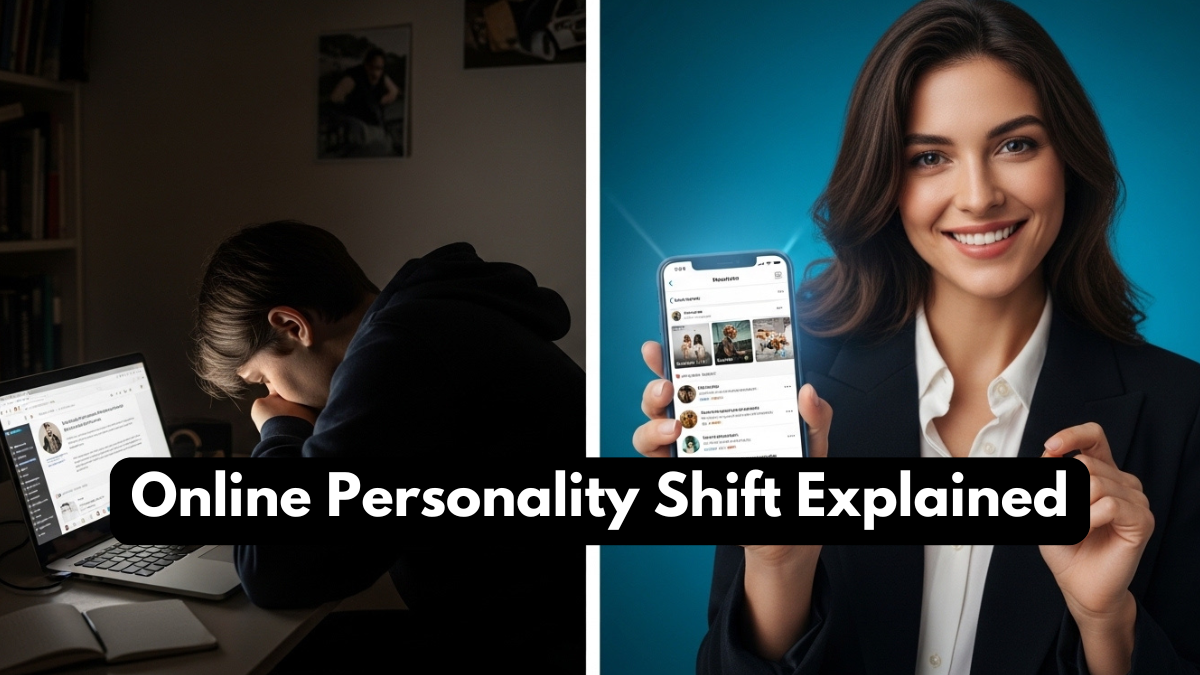
Why Online Personality Shift Behavior Happens
The rise of online personality shift behavior happens because digital spaces change how people communicate. Without face-to-face pressure, many individuals feel safer expressing thoughts, opinions, and emotions they might hold back in person.
This creates the feeling of a different personality online, where confidence, humor, or emotional openness appears stronger through messages and posts. The screen provides distance, which reduces immediate judgment and social pressure.
At the same time, online platforms encourage performance. People carefully choose what to post, how to respond, and how they want to be seen. This repeated presentation can create gradual identity change, especially when external validation becomes emotionally important.
Digital communication often becomes a version of self-management, not just conversation.
Common Signs of Different Personality Online
Many people experience a different personality online without consciously deciding to act differently. The shift often develops naturally through repeated digital habits.
Common signs include:
- Being more confident in messages than in person
- Sharing emotions online but avoiding them offline
- Using a more humorous or bold tone digitally
- Feeling more socially active on platforms than in real life
- Creating a carefully controlled online image
- Feeling pressure to maintain a certain online version of self
These signs show how online personality shift behavior can become part of everyday life and lead to subtle identity change over time.
How Identity Change Develops Through Digital Habits
Repeated identity change often happens slowly. A person may begin by adjusting communication for comfort, but over time, the online version becomes stronger than the offline one.
This makes online personality shift behavior emotionally complex. Someone may feel authentic online but disconnected in face-to-face situations. The gap between the two versions creates internal confusion, especially when maintaining a different personality online becomes exhausting.
Validation also plays a major role. Likes, comments, and attention reinforce certain behaviors, encouraging people to repeat the version of themselves that receives approval. This can make identity feel dependent on audience response instead of personal truth.
The challenge is not being online—it is losing clarity about who feels real.
Comparison Between Healthy Online Expression and Identity Conflict
| Healthy Online Expression | Identity Conflict Through Online Personality Shift |
|---|---|
| Natural extension of real personality | Strong gap between online and offline self |
| Comfortable self-expression | Pressure to perform a digital version |
| Flexible communication style | Emotional dependence on online approval |
| Authentic boundaries | Constant need to maintain an image |
| Supports confidence | Creates confusion and emotional distance |
This table helps explain how online personality shift behavior can stay healthy or become stressful depending on how strong the identity change becomes.
How to Manage Online Personality Shift Behavior
Improving online personality shift behavior starts with self-awareness. The goal is not to behave exactly the same everywhere, but to stay emotionally honest across both spaces.
Helpful strategies include:
- Notice where online behavior feels forced
- Reduce pressure to maintain a perfect digital image
- Use platforms for connection, not only validation
- Spend time strengthening offline confidence
- Ask whether posts reflect real values or social pressure
- Take breaks from constant digital self-presentation
Reducing the stress of a different personality online helps protect emotional clarity. Healthy identity change should come from growth, not performance.
Digital life should support identity, not replace it.
Why Social Media Makes Personality Shifts Stronger
The issue of online personality shift behavior feels stronger today because social media turns personal identity into visible content. People are constantly aware of how they appear to others, even during ordinary moments.
This increases the pressure of maintaining a different personality online, especially when public image feels connected to success, relationships, or self-worth.
Algorithms also reward attention. People may repeat exaggerated versions of themselves because stronger reactions bring more visibility. This can speed up emotional identity change, where performance becomes habit.
When identity becomes content, authenticity becomes harder to protect.
Long-Term Effects of Identity Conflict
If online personality shift behavior continues without reflection, people may feel emotionally divided. They may trust their online self more than their real-world confidence, which creates social discomfort and internal frustration.
A strong different personality online can also affect relationships. Friends and family may experience inconsistency between digital and real-life behavior, creating misunderstanding and emotional distance.
Long-term identity change without awareness can reduce self-trust. People may stop knowing whether they are expressing themselves or performing for approval.
The healthiest identity feels stable across different spaces, even if expression changes slightly.
Conclusion
The rise of online personality shift behavior shows how digital life shapes not only communication, but also self-perception. Having a different personality online is common and not always unhealthy, but it becomes a problem when the gap creates emotional confusion.
Understanding gradual identity change helps people stay connected to their real values while still using online spaces for expression and connection.
The goal is not perfect consistency—it is emotional honesty. People should feel like themselves both online and offline, not trapped between two versions of identity.
FAQs
What is online personality shift behavior?
Online personality shift behavior refers to acting differently in digital spaces compared to real life, often because of comfort, confidence, or social pressure.
Why do people have a different personality online?
A different personality online often happens because online communication feels safer, allowing people to express thoughts and emotions more freely than in person.
Is online identity change always bad?
No, some identity change reflects healthy growth and self-expression, but it becomes harmful when people feel disconnected from their real self.
Can social media change personality?
Yes, repeated online personality shift behavior and constant digital validation can influence habits, confidence, and long-term emotional identity.
How can I stay authentic online?
You can manage a different personality online by reducing performance pressure, posting with intention, and making sure your digital behavior reflects your real values.
Click here to know more.