Urban noise pollution has become one of the most underestimated challenges of modern city life, quietly influencing how people feel, think, and function every day. From constant traffic and construction to sirens, public transport, and crowded neighborhoods, noise is an unavoidable feature of urban environments. While many city dwellers adapt to these sounds over time, research increasingly shows that prolonged exposure raises stress levels and contributes to serious health effects. As cities grow denser and more active, understanding how urban noise pollution affects mental health outcomes is critical for public wellbeing and sustainable urban planning.
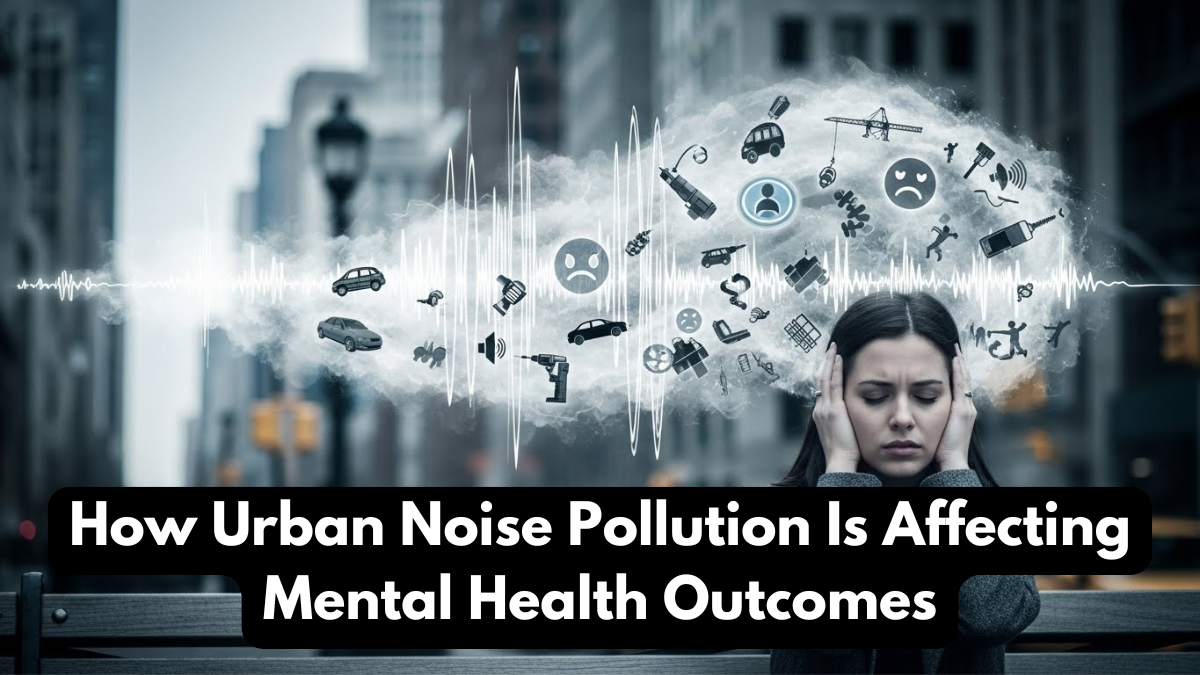
Understanding Urban Noise Pollution In City Life
At its core, urban noise pollution refers to unwanted or excessive sound that disrupts normal living conditions. In city life, noise sources are persistent and varied, including road traffic, rail systems, nightlife, industrial activity, and even everyday social interactions. Unlike occasional loud events, continuous background noise creates chronic exposure that the brain struggles to ignore.
This constant stimulation prevents the nervous system from fully relaxing. Even when individuals believe they have adapted, their bodies often remain in a heightened state of alertness. Over time, this sustained exposure contributes to elevated stress levels, making urban noise pollution a significant environmental factor shaping mental wellbeing in modern cities.
Stress Levels And The Psychological Impact Of Noise
One of the most immediate consequences of urban noise pollution is its effect on stress levels. Persistent noise activates the body’s stress response, increasing the release of cortisol and adrenaline. In city life, where quiet recovery periods are limited, these stress responses can become chronic.
Elevated stress levels are linked to anxiety, irritability, and difficulty concentrating. Noise disrupts sleep quality, which further amplifies psychological strain. Over time, individuals exposed to high levels of urban noise pollution may experience emotional exhaustion and reduced resilience, increasing vulnerability to mental health challenges.
Health Effects Linked To Long-Term Noise Exposure
Beyond stress, the health effects of urban noise pollution extend into both mental and physical domains. Studies associate long-term noise exposure with depression, cognitive impairment, and decreased overall wellbeing. In children, noise can interfere with learning and attention, while adults may experience impaired memory and reduced productivity.
The health effects are not evenly distributed. Vulnerable populations such as the elderly, shift workers, and individuals with preexisting conditions face heightened risks. In dense city life settings, noise often compounds other stressors like overcrowding and air pollution, magnifying the cumulative impact of urban noise pollution on mental health.
How City Design Contributes To Noise Pollution
Urban planning and infrastructure play a major role in shaping urban noise pollution. High traffic volumes, poorly insulated buildings, and limited green spaces intensify sound exposure. In many cities, residential areas are located close to major transport routes, increasing daily noise burdens.
Design choices that prioritize efficiency over wellbeing can inadvertently raise stress levels. Conversely, thoughtful planning can reduce health effects associated with noise. Incorporating green buffers, sound barriers, and pedestrian-friendly zones helps mitigate noise and improves quality of city life. Recognizing noise as a public health issue encourages more holistic urban design strategies.
Coping Strategies And Individual Adaptation
Individuals living with urban noise pollution often develop coping strategies, such as using white noise machines, noise-canceling headphones, or soundproofing their homes. While these measures can offer temporary relief, they do not address the root causes of excessive noise in city life.
Mindfulness practices and stress management techniques may help regulate stress levels, but systemic solutions are needed for lasting impact. Public awareness about the health effects of noise empowers communities to advocate for quieter environments and policy changes that prioritize mental wellbeing.
Public Health And Policy Responses
Recognizing urban noise pollution as a public health concern has prompted some cities to introduce regulations and monitoring programs. Noise limits, zoning laws, and quieter transportation technologies aim to reduce exposure. These interventions not only lower stress levels but also improve overall quality of city life.
Policy responses are most effective when combined with community engagement. Educating residents about the health effects of noise encourages collective responsibility. As evidence grows, integrating noise reduction into public health planning becomes essential for addressing the mental health impact of urban noise pollution.
Key Sources Of Urban Noise Pollution
- Road traffic and public transportation
- Construction and infrastructure projects
- Commercial and nightlife activity
- Dense residential city life environments
- Industrial operations near housing
Table: Mental Health Effects Of Urban Noise Pollution
| Noise Source | Common Exposure | Associated Health Effects |
|---|---|---|
| Traffic | Daily background noise | Increased stress levels |
| Construction | Intermittent loud sounds | Anxiety and irritation |
| Nightlife | Late-night disturbances | Sleep disruption |
| Public Transport | Repetitive noise | Cognitive fatigue |
| Industrial Areas | Continuous exposure | Long-term health effects |
Vulnerable Groups And Unequal Exposure
Not all residents experience urban noise pollution equally. Lower-income neighborhoods often face higher noise exposure due to proximity to highways or industrial zones. This inequity intensifies existing health effects and contributes to disparities in mental wellbeing.
Children and older adults are particularly sensitive to noise-related stress levels. In city life, limited access to quiet spaces exacerbates these vulnerabilities. Addressing noise pollution through equitable urban planning is essential for reducing health inequalities linked to urban noise pollution.
The Future Of Quieter Cities
Advancements in technology and urban planning offer hope for reducing urban noise pollution. Electric vehicles, improved building materials, and data-driven noise mapping support quieter environments. These innovations not only lower stress levels but also enhance livability and social cohesion.
As cities evolve, prioritizing acoustic comfort alongside mobility and sustainability will shape healthier urban futures. Integrating noise reduction into broader strategies ensures that city life supports mental wellbeing rather than undermining it.
Conclusion
The impact of urban noise pollution on mental health is both profound and pervasive. By elevating stress levels and contributing to lasting health effects, excessive noise has become a hidden threat within modern city life. Addressing this challenge requires coordinated action across urban design, public policy, and community engagement. As awareness grows, reducing urban noise pollution offers a tangible pathway to improving mental health outcomes and creating more livable, resilient cities.
FAQs
What is urban noise pollution?
urban noise pollution refers to excessive or disruptive sound commonly found in city life environments.
How does noise increase stress levels?
Continuous noise triggers the body’s stress response, raising stress levels over time.
What health effects are linked to urban noise pollution?
Common health effects include anxiety, sleep disorders, reduced concentration, and depression.
Can city planning reduce noise pollution?
Yes, better design, zoning, and green spaces can lower urban noise pollution significantly.
Who is most affected by urban noise pollution?
Children, older adults, and residents of dense city life areas are often most vulnerable.
Click here to know more.