The global demand for scientific and technological talent continues to rise, yet women remain significantly underrepresented across many STEM fields. Supporting women in STEM is not only a matter of equality—it is essential for driving innovation, strengthening research outcomes, and improving economic growth. While progress has been made in expanding educational access for girls, the challenge of career retention persists, with many women leaving STEM fields due to barriers such as bias, limited mentorship, unequal advancement opportunities, and non-inclusive work environments. Strengthening workplace inclusion through targeted interventions is critical for ensuring that talented women not only enter STEM careers but remain and thrive in them.
Organizations, academic institutions, and governments are increasingly implementing structured programs that address the systemic challenges women face throughout their STEM journeys. These interventions aim to create environments where women feel valued, supported, and empowered to contribute fully. As industries become more dependent on scientific expertise and technological innovation, retaining women in STEM roles ensures diverse perspectives that enhance problem-solving and strengthen global competitiveness.
This article explores the key interventions that support career retention for women in STEM, the structural barriers that still need addressing, and the long-term strategies required to build inclusive, thriving STEM workplaces.
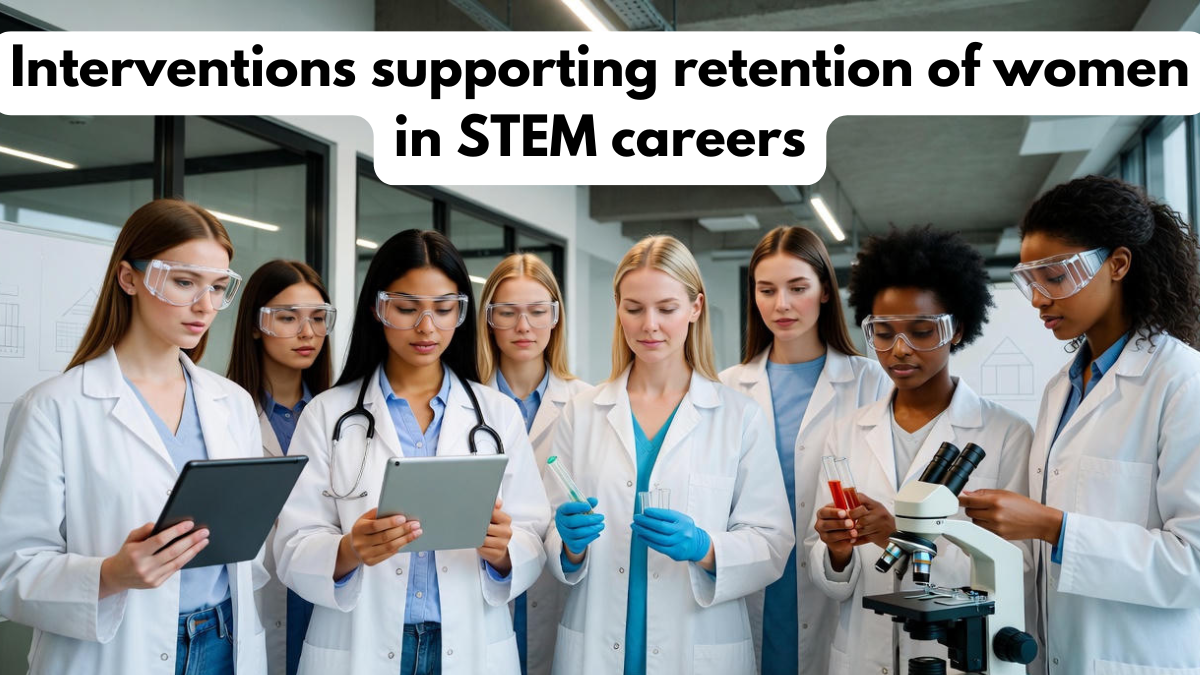
Barriers Affecting Women’s Advancement in STEM
Despite ongoing advocacy, women in STEM continue to encounter numerous barriers at every stage of their careers. These include gender stereotypes, lack of visible role models, limited access to high-impact projects, and fewer opportunities for leadership roles. Such challenges often discourage women from persisting, especially in male-dominated fields like engineering, physics, and computer science.
One of the most significant barriers is the struggle with career retention. Research shows that many women leave STEM roles within the first decade of employment due to exclusionary work cultures, lack of mentorship, wage disparities, and disproportionate caregiving responsibilities. Ensuring workplace inclusion requires organizations to address these systemic issues by promoting equity, fairness, and a supportive work environment.
Without intentional intervention, these barriers reduce diversity, weaken team innovation, and limit the availability of global technical talent. Understanding the root causes is the first step toward designing effective long-term solutions.
Key Interventions for Supporting Women in STEM
To improve retention rates and foster workplace inclusion, organizations are implementing structured programs that address the unique challenges facing women in STEM. These interventions focus on mentorship, equitable opportunity structures, and organizational policy reform.
The table below outlines major interventions supporting career retention and their impact on promoting women in STEM:
| Intervention Type | Description | Impact on Retention and Inclusion |
|---|---|---|
| Mentorship & Sponsorship Programs | Connect women with experienced leaders for career guidance | Improves confidence, career mobility, and professional networks |
| Inclusive Leadership Training | Educates managers on bias reduction and inclusive practices | Strengthens workplace inclusion and fair decision-making |
| Flexible Work Policies | Allows remote work, parental leave, and adaptable schedules | Supports work–life balance and reduces burnout |
| Pay Transparency Frameworks | Ensures equitable compensation across gender lines | Reduces wage gaps and promotes long-term career retention |
| STEM Community Networks | Promotes collaboration, peer support, and visible role models | Enhances belonging, motivation, and long-term engagement |
These interventions represent practical steps toward creating more equitable and supportive career environments for women.
The Role of Workplace Inclusion in Retaining Women in STEM
Strengthening workplace inclusion is central to retaining women in STEM roles. Inclusive workplaces foster environments where diversity is valued, employees feel psychologically safe, and advancement opportunities are accessible to all. This involves eliminating biased hiring practices, ensuring equitable access to high-impact assignments, and promoting transparent pathways for advancement.
Inclusive workplaces also prioritize behavioral accountability. Leaders must receive training in recognizing unconscious bias, promoting respect, and ensuring fair performance evaluations. These efforts help create cultures where women in STEM can contribute fully without facing systemic disadvantages.
Workplace inclusion further enhances team performance and innovation. When women feel supported, respected, and empowered, they are more likely to stay in their roles, pursue leadership opportunities, and contribute actively to organizational success. As the demand for technical expertise grows, organizations cannot afford to overlook the importance of inclusive culture in strengthening career retention.
Challenges to Long-Term Retention and Advancement
Despite promising interventions, retaining women in STEM remains a complex challenge. Many organizations still struggle to dismantle deeply rooted cultural norms that disadvantage women. Bias in performance evaluations, limited representation in leadership roles, and insufficient support for caregivers create ongoing hurdles.
Another major barrier is the lack of sustained resources and commitment. Short-term programs may create temporary improvements, but without long-term strategies, their impact diminishes. Effective workplace inclusion requires continuous investment, policy updates, and leadership accountability.
Additionally, intersectional factors—such as race, socioeconomic background, and disability—intensify the challenges faced by women in STEM. Interventions must therefore consider diverse experiences and avoid one-size-fits-all approaches.
Improving career retention depends on addressing these interconnected barriers through holistic, long-term collaboration among policymakers, employers, educators, and community organizations.
Future Strategies to Support Women in STEM Careers
Looking ahead, the future of retaining women in STEM lies in evidence-based strategies and stronger policy frameworks. Emerging interventions include AI-driven hiring tools designed to reduce bias, national mentorship networks, and leadership pipelines dedicated to advancing women into senior STEM roles.
Corporate and academic institutions are increasingly adopting pay audits, gender-equity scorecards, and public reporting mechanisms that enhance transparency and accountability. These systemic approaches directly support workplace inclusion, ensuring that organizations actively track and address disparities.
Expanding early-career support is another crucial strategy. Internships, research opportunities, and technical boot camps designed for women can strengthen confidence and preparedness, improving long-term career retention outcomes.
Through coordinated global efforts, the next decade could see more equitable representation of women across the STEM workforce—leading to stronger innovation, more competitive industries, and greater societal progress.
Conclusion
Supporting women in STEM requires more than encouraging early interest; it demands long-term commitment to career retention and sustained workplace inclusion. By implementing targeted interventions—such as mentorship programs, inclusive leadership training, flexible work structures, and equitable compensation policies—organizations can create environments that empower women to thrive. As society becomes more dependent on STEM innovation, retaining diverse talent is essential for building a future that is both equitable and technologically advanced.
FAQ
Why do women leave STEM careers at higher rates?
Many women leave due to barriers such as bias, lack of mentorship, unequal advancement opportunities, and caregiving pressures.
How does workplace inclusion support women in STEM?
It ensures fair treatment, equal opportunities, and supportive environments that improve engagement and retention.
What interventions improve career retention for women in STEM?
Mentorship, inclusive leadership training, pay transparency, flexible work policies, and community networks.
Why is diversity important in STEM fields?
Diverse teams produce more innovative solutions and better reflect the needs of global society.
How can organizations make long-term progress?
By adopting evidence-based strategies, evaluating outcomes regularly, and maintaining leadership accountability.
Click here to know more.