The world of technology has advanced rapidly due to the influence of artificial neural networks, a powerful class of computing models designed to mimic how the human brain processes information. As researchers continue exploring the potential of artificial intelligence, they increasingly draw inspiration from biological systems. This approach, known as brain-inspired computing, reflects the belief that understanding the brain’s structure can significantly improve machine performance. Today, artificial neural networks form the foundation of many modern technologies, shaping industries such as healthcare, finance, robotics, and communication.
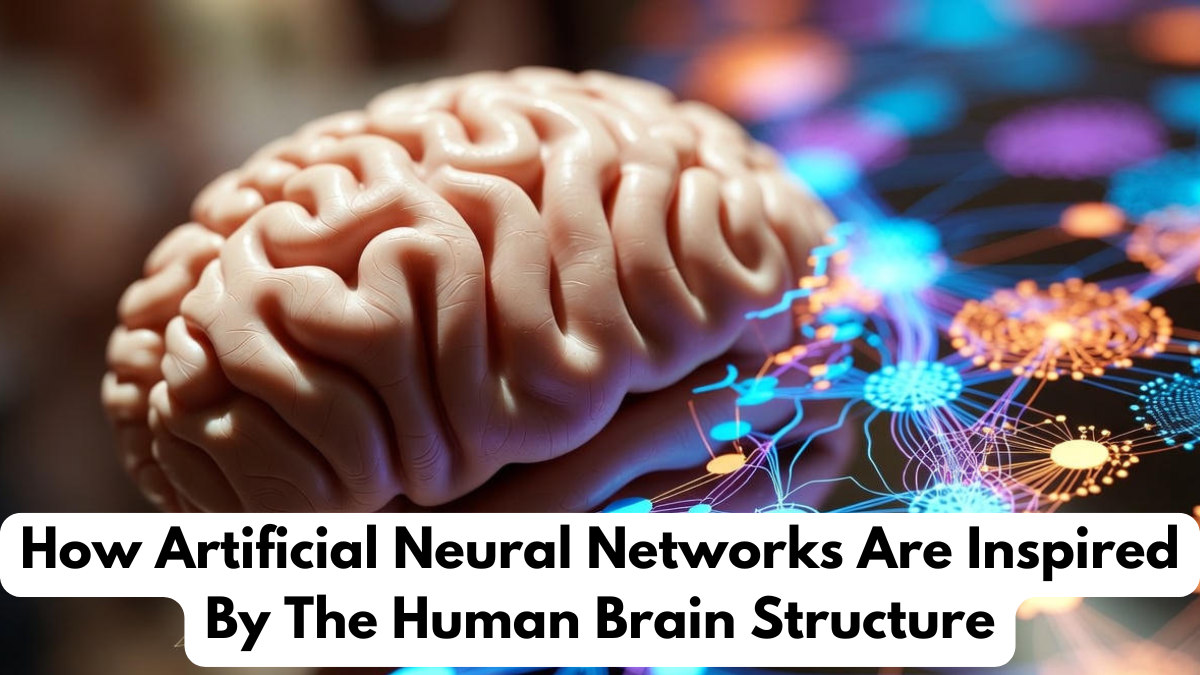
Why Artificial Neural Networks Are Modeled After the Human Brain
One of the main reasons artificial neural networks are modeled after human brain architecture is because of the brain’s remarkable ability to learn, adapt, and solve complex problems. The human brain contains billions of neurons, each forming thousands of connections that enable high-speed communication. This biological network provides a powerful blueprint for building intelligent machines capable of recognizing patterns, analyzing data, and improving over time.
Through brain-inspired computing, researchers design artificial networks that replicate key features of biological neurons. These artificial networks can learn from experience, make decisions, and identify relationships in large datasets. The brain’s parallel processing ability also helps scientists create computing systems that perform multiple tasks simultaneously, enhancing efficiency and accuracy across applications.
How Artificial Neural Networks Function in Modern Computing
Artificial neural networks consist of layers of interconnected nodes (neurons) that process data step by step. These networks are trained using algorithms that adjust the connections between neurons based on input and desired output. This learning phase allows the system to improve accuracy by recognizing patterns and correcting errors. As computing power increases, neural networks become more capable and adaptive, making them essential tools for solving real-world problems.
Below is a table outlining different types of neural networks and their uses:
| Neural Network Type | Description | Application in Brain-Inspired Computing |
|---|---|---|
| Convolutional Neural Networks (CNNs) | Focus on image and pattern recognition | Used in medical imaging, facial recognition |
| Recurrent Neural Networks (RNNs) | Process sequential data | Applied in speech recognition and forecasting |
| Deep Neural Networks (DNNs) | Contain multiple processing layers | Support complex decision-making tasks |
| Generative Adversarial Networks (GANs) | Create new data from existing patterns | Used in image generation and simulations |
These diverse models highlight the versatility of artificial neural networks and their importance in advancing brain-inspired computing.
The Role of Brain-Inspired Computing in Enhancing AI Capabilities
The core idea behind brain-inspired computing is to replicate how the brain learns from experience. Humans learn through exposure, repetition, and feedback, and artificial neural networks follow a similar process. The more data they process, the more accurate and reliable they become. This learning method allows AI systems to handle tasks that once required human intelligence, such as analyzing emotions, predicting outcomes, and translating languages.
Brain-inspired models also improve energy efficiency. The human brain operates on remarkably low power while performing complex cognitive functions. By studying this efficiency, scientists aim to develop computing systems that use less energy and operate faster. This approach is transforming how we design smart machines, supporting advancements across medical diagnostics, autonomous vehicles, and cybersecurity.
How Neural Networks Influence Everyday Technology
Most people interact with artificial neural networks daily, often without realizing it. Voice assistants such as Siri and Alexa use neural networks to understand speech patterns, while recommendation systems on Netflix, YouTube, and Amazon rely on them to predict user preferences. These systems reflect the direct impact of brain-inspired computing on everyday life.
Neural networks also play a crucial role in modern manufacturing, banking, and transportation. In healthcare, they analyze patient data to detect diseases earlier and more accurately. In the automotive industry, neural networks enable self-driving cars to interpret road conditions and make decisions. These applications demonstrate how neural networks transform ordinary devices into intelligent systems that support better decision-making, improved safety, and greater convenience.
Challenges in Designing Brain-Inspired Models
Despite their potential, artificial neural networks face several challenges. One major issue is the amount of data required for training. Unlike the human brain, which can learn efficiently from limited examples, neural networks often need thousands of samples to perform accurately. This creates difficulties in fields where data is scarce or sensitive.
Another challenge involves transparency. Neural networks can produce accurate results, but their internal decision-making is often difficult to understand. This lack of transparency, known as the “black-box problem,” creates concerns in fields like healthcare and law where explanations are necessary. As brain-inspired computing evolves, researchers continue developing models that are both powerful and interpretable.
Energy consumption is another concern. Training large neural networks requires substantial computing power, raising questions about sustainability. To address this issue, scientists are studying the brain’s energy efficiency to create hardware that mimics neuronal structures.
Future Potential of Artificial Neural Networks
The future of artificial neural networks is closely tied to ongoing research in neuroscience and computer science. By continuing to study the brain’s architecture, researchers aim to build smarter, more adaptive AI systems. Innovations such as neuromorphic chips, which replicate neural functions in hardware, represent major breakthroughs in brain-inspired computing. These chips can process information faster and with lower energy consumption than traditional processors.
As artificial intelligence evolves, neural networks will play an even greater role in fields such as personalized medicine, climate modeling, advanced robotics, and national security. The integration of biological principles into computing systems promises a new era of intelligent machines capable of solving complex global challenges.
Conclusion
The emergence of artificial neural networks marks a revolutionary step in modern technology, shaped by insights from the human brain. Through brain-inspired computing, researchers have developed powerful systems capable of learning, adapting, and performing tasks that once relied solely on human intelligence. These networks are transforming industries, improving everyday technology, and opening doors to unprecedented advancements in artificial intelligence. As scientists continue to refine neural models, the future promises smarter, more efficient, and deeply innovative computing systems inspired by the most powerful organ on Earth—the human brain.
FAQs
What makes artificial neural networks similar to the human brain?
They mimic the brain’s neuron connections and learning processes to recognize patterns and make decisions.
How does brain-inspired computing improve AI performance?
It enhances learning ability, adaptability, and efficiency by modeling AI systems after biological structures.
Where are neural networks used in daily life?
They power voice assistants, recommendation systems, image recognition tools, and more.
Why do artificial neural networks require so much data?
They need large datasets to learn patterns accurately, unlike the human brain, which learns more efficiently.
What is the future of brain-inspired computing?
Future developments include neuromorphic hardware, smarter AI systems, and technologies that replicate brain behavior more closely.
Click here to know more.