In today’s fast-paced and highly competitive work environment, stress has become a common part of professional life. However, when stress becomes chronic and overwhelming, it can lead to burnout. Recognizing work burnout signs early is crucial to maintaining both mental and physical well-being. Many professionals ignore subtle job stress symptoms until they escalate into serious issues, resulting in reduced productivity and severe mental fatigue.
Burnout is not just about feeling tired—it affects your motivation, performance, and overall health. By understanding work burnout signs, identifying early job stress symptoms, and addressing mental fatigue, individuals can take proactive steps to regain balance and improve their quality of life. Let’s explore the key indicators and solutions to prevent burnout effectively.
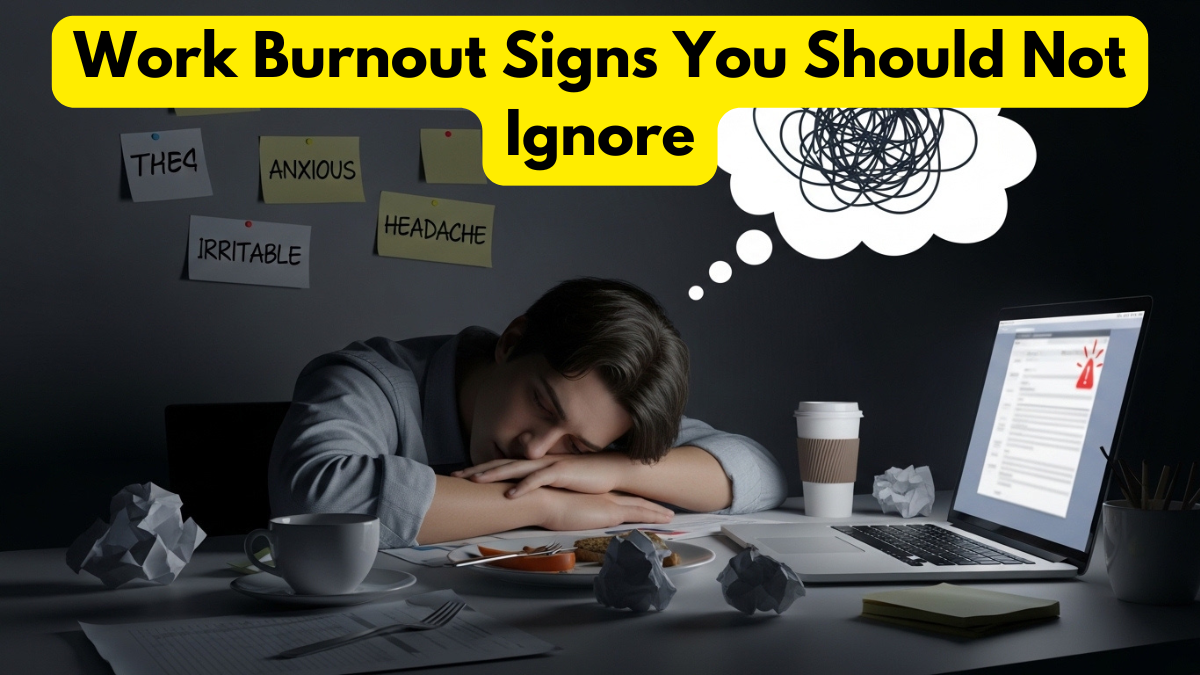
What Is Work Burnout and Why It Happens
Before identifying work burnout signs, it’s important to understand what burnout actually means. Burnout is a state of emotional, physical, and mental exhaustion caused by prolonged stress at work.
Common causes include:
- Excessive workload and long hours
- Lack of work-life balance
- High pressure and unrealistic expectations
- Limited control over work tasks
- Poor workplace environment
These factors contribute to job stress symptoms and gradually lead to mental fatigue. Recognizing these causes helps in understanding the seriousness of work burnout signs.
Common Work Burnout Signs
Identifying work burnout signs early can prevent long-term damage. Many people ignore these signs, thinking they are temporary, but they often indicate deeper issues.
Some major work burnout signs include:
- Constant exhaustion and lack of energy
- Decreased motivation and productivity
- Feeling detached or uninterested in work
- Frequent irritability or frustration
- Difficulty concentrating
These job stress symptoms are often accompanied by increasing mental fatigue, making it harder to perform daily tasks. Recognizing these work burnout signs is the first step toward recovery.
Job Stress Symptoms to Watch
Understanding job stress symptoms is essential for identifying burnout. These symptoms often appear before full burnout develops.
Key job stress symptoms include:
- Headaches and physical discomfort
- Sleep disturbances
- Increased anxiety levels
- Loss of interest in work
- Emotional instability
These symptoms contribute to mental fatigue and are closely linked to work burnout signs. Ignoring these job stress symptoms can lead to more serious health issues.
Work Burnout Signs Table
Here’s a comparison table to better understand work burnout signs:
| Category | Signs | Impact |
|---|---|---|
| Physical | Fatigue, headaches | Reduced energy levels |
| Emotional | Irritability, frustration | Poor mental health |
| Behavioral | Low productivity, absenteeism | Work performance decline |
| Cognitive | Lack of focus, confusion | Decision-making difficulties |
This table highlights how work burnout signs manifest in different ways. These are often accompanied by job stress symptoms and increased mental fatigue.
How Mental Fatigue Affects Performance
Mental fatigue is one of the most serious consequences of burnout. It affects your ability to think clearly, make decisions, and stay productive.
Effects of mental fatigue include:
- Reduced concentration and focus
- Slower reaction time
- Increased mistakes at work
- Lack of creativity
These effects are closely linked to work burnout signs and often result from untreated job stress symptoms. Addressing mental fatigue is essential for recovery.
Tips to Prevent Work Burnout
Preventing burnout requires a proactive approach. By addressing work burnout signs early, you can maintain a healthy work-life balance.
Effective tips include:
- Take regular breaks during work
- Maintain a healthy work-life balance
- Practice stress management techniques
- Stay physically active
- Seek support when needed
These strategies help reduce job stress symptoms and prevent mental fatigue. Following these tips ensures that work burnout signs are managed effectively.
Lifestyle Changes to Reduce Stress
Making lifestyle changes can significantly reduce work burnout signs and improve overall well-being.
Important changes include:
- Getting enough sleep
- Eating a balanced diet
- Practicing mindfulness and meditation
- Limiting screen time after work
These habits help manage job stress symptoms and reduce mental fatigue, supporting long-term health.
Common Mistakes to Avoid
Many people worsen their condition by ignoring work burnout signs. Avoiding common mistakes is crucial for recovery.
Common mistakes include:
- Ignoring early job stress symptoms
- Overworking without breaks
- Not seeking help
- Neglecting mental health
Avoiding these mistakes helps reduce mental fatigue and manage work burnout signs effectively.
Conclusion
Burnout is a serious issue that can impact every aspect of your life. By recognizing work burnout signs, understanding job stress symptoms, and addressing mental fatigue, you can take control of your well-being. The key is to act early, adopt healthy habits, and prioritize your mental health. With the right approach, you can prevent burnout and maintain a balanced and productive lifestyle.
FAQs
What are work burnout signs?
Work burnout signs are indicators of emotional, physical, and mental exhaustion caused by prolonged work stress.
What are common job stress symptoms?
Common job stress symptoms include anxiety, fatigue, sleep issues, and lack of motivation.
How does mental fatigue affect work?
Mental fatigue reduces focus, productivity, and decision-making ability.
Can burnout be prevented?
Yes, by managing job stress symptoms and recognizing work burnout signs early, burnout can be prevented.
Click here to know more.