Across the globe, societies are confronting the profound economic and social implications of an aging population. As life expectancy rises and birth rates decline, the demographic structure in many countries is shifting rapidly. This demographic change places unprecedented pressure on labor markets, social welfare systems, and productivity levels. Policymakers, employers, and international institutions now face the urgent task of rethinking and redesigning labor policy frameworks to maintain economic stability and ensure inclusive workforce participation.
An aging population does not merely represent an increase in older citizens; it signals a transformation in how countries must allocate resources, support long-term healthcare needs, and manage labor shortages. These shifts require innovative solutions that strengthen labor-market flexibility, promote active aging, and harness the experience of older workers. As governments assess the economic impacts of demographic shifts, they are adopting new strategies to balance workforce sustainability with quality-of-life considerations for citizens of all ages.
This article explores how demographic transformation influences labor policies, the challenges associated with aging societies, and forward-looking strategies to ensure that economies remain resilient, productive, and adaptive.
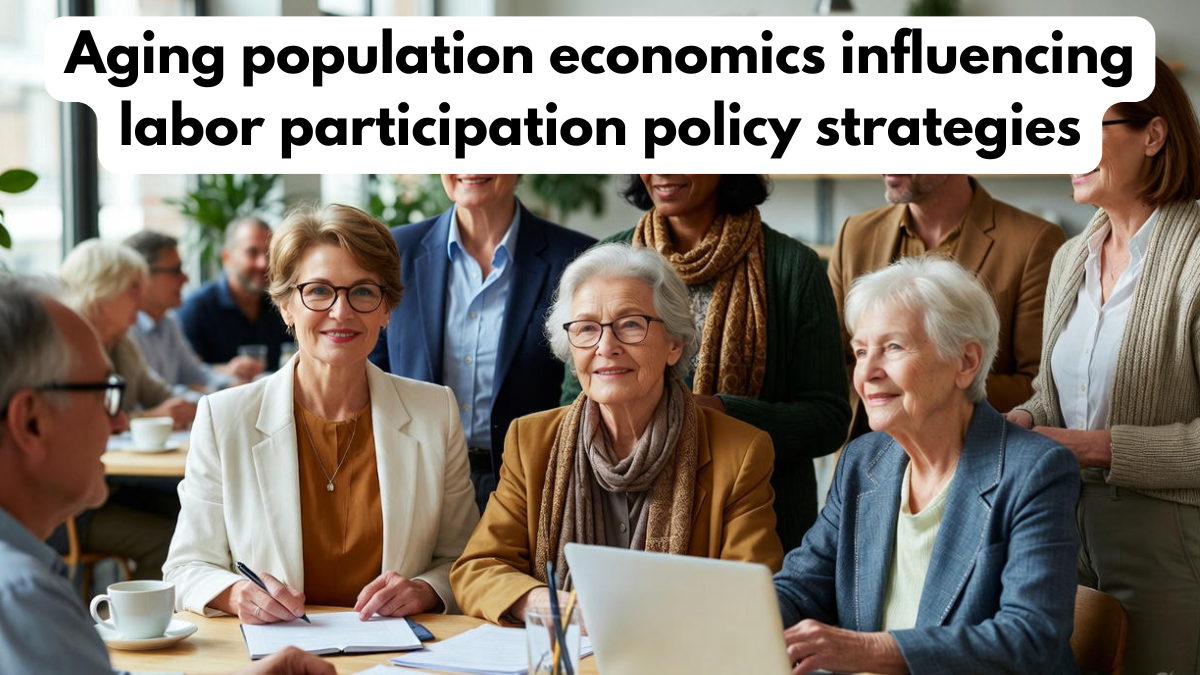
Understanding the Impact of an Aging Population
The rise of an aging population fundamentally alters economic structures. A shrinking ratio of working-age individuals relative to retirees leads to lower tax revenues, increased pension obligations, and heightened demand for healthcare services. These trends create fiscal pressure and complicate economic planning, prompting governments to adopt comprehensive reforms to counterbalance the effects of demographic change.
Labor markets are particularly affected. As older workers retire, industries face talent shortages that hinder productivity and innovation. At the same time, many older adults wish to remain engaged in the workforce, either for financial security or personal fulfillment. To address this, governments are updating labor policy to support longer working lives, improve retirement flexibility, and encourage employers to adopt age-inclusive practices.
Understanding these dynamics is essential for designing policies that protect economic stability while ensuring both younger and older generations thrive.
Labor Policy Reforms Responding to Demographic Shifts
Countries around the world are implementing reforms aimed at addressing workforce shortages and improving the employment prospects of older adults. These policy interventions focus on re-skilling, financial incentives, and structural adjustments that accommodate the realities of an aging society.
The table below highlights key labor policy reforms and how they address challenges created by demographic change and an expanding aging population:
| Policy Strategy | Description | Impact on Workforce Sustainability |
|---|---|---|
| Raising Retirement Age | Delays eligibility for pension benefits | Extends labor participation and reduces fiscal pressure |
| Lifelong Learning Programs | Offers training to help older workers adapt to new technologies | Enhances employability and productivity |
| Flexible Work Arrangements | Allows part-time, remote, or reduced-hour schedules | Supports work–life balance for aging workers |
| Age-Inclusive Workplace Policies | Encourages hiring and retaining older employees | Reduces skill shortages and supports workplace diversity |
| Pension Reform | Adjusts contribution rates or benefit structures | Strengthens long-term economic stability |
These policy strategies illustrate how labor systems can evolve to meet the demands of changing demographics.
Economic Opportunities and Challenges in an Aging Workforce
While demographic aging introduces numerous economic challenges, it also creates opportunities for industries and workers. Older adults often possess valuable experience, leadership capabilities, and sector-specific knowledge that contribute significantly to economic growth. Designing labor policy that leverages these strengths can help reduce skill shortages and support productivity.
However, the challenges remain substantial. An expanding aging population increases public spending on healthcare, long-term care, and pensions. Many sectors—such as manufacturing, healthcare, and technology—face widening labor gaps that slow economic growth. These shortages underscore the importance of reskilling older workers and creating supportive environments for all age groups.
Demographic change also influences consumption patterns. Older populations tend to spend more on healthcare, housing, and long-term services, affecting market trends and shaping new business opportunities. Recognizing these economic shifts allows policymakers and businesses to adapt accordingly.
Social Implications of an Aging Population
Beyond economics, an aging population influences broader social structures. Family dynamics shift as caregivers face greater responsibilities, and social services must adapt to increased demand. Strengthening community support systems becomes essential for maintaining social cohesion.
Inclusive labor policy frameworks are vital in reducing age discrimination and promoting equal opportunities across age groups. Encouraging workplace environments that value age diversity improves productivity and fosters mutual learning among generations.
Demographic change also calls for investment in healthcare innovation, age-friendly infrastructure, and community-based programs that empower older adults to lead fulfilling, independent lives. Social policies that complement labor reforms contribute to a more inclusive society resilient to demographic shifts.
Long-Term Strategies for Managing Demographic Change
As countries continue adapting to an aging population, long-term strategies are becoming central to ensuring sustainable economic and social development. These strategies include expanding immigration programs to supplement the workforce, promoting automation to fill labor gaps, and reinforcing pension systems to handle rising costs.
Governments are also investing heavily in upskilling initiatives. Continuous education programs help older workers remain competitive, while targeted training for younger populations ensures a steady influx of skilled labor. Such strategies support both immediate and future workforce needs.
On a global scale, addressing demographic change requires cross-country cooperation. Nations facing rapid aging can learn from those with established age-inclusive policies, while sharing innovations in healthcare, technology, and workforce development.
Strengthening labor policy frameworks is essential to maintaining economic vitality as demographic transitions accelerate.
Conclusion
An aging population significantly influences labor markets, social systems, and economic planning. Effective policy responses must address workforce shortages, promote inclusive employment, and support long-term socioeconomic resilience. By updating labor policy, investing in lifelong learning, and preparing for ongoing demographic change, countries can build adaptable, thriving societies that harness the strengths of all generations. The path forward requires collaboration, innovation, and sustained commitment to equitable workforce participation.
FAQ
Why is an aging population a global concern?
It affects workforce availability, pension systems, healthcare demand, and long-term economic stability.
How does demographic change impact labor policy?
It necessitates reforms that extend working lives, promote reskilling, and support age-inclusive employment.
What labor policies help retain older workers?
Flexible schedules, lifelong learning programs, age-friendly workplace practices, and pension adjustments.
How can countries adapt to workforce shortages caused by aging populations?
By investing in training, embracing automation, updating immigration policies, and strengthening inclusion strategies.
Does an aging population offer economic opportunities?
Yes, through increased demand for specialized services, opportunities for age-focused innovation, and leveraging the expertise of older workers.
Click here to know more.